10 Beginner Mistakes That Kill Your Calisthenics Progress
Every athlete makes these errors. Learn from our community's collective pain and fast-track your journey from novice to intermediate.
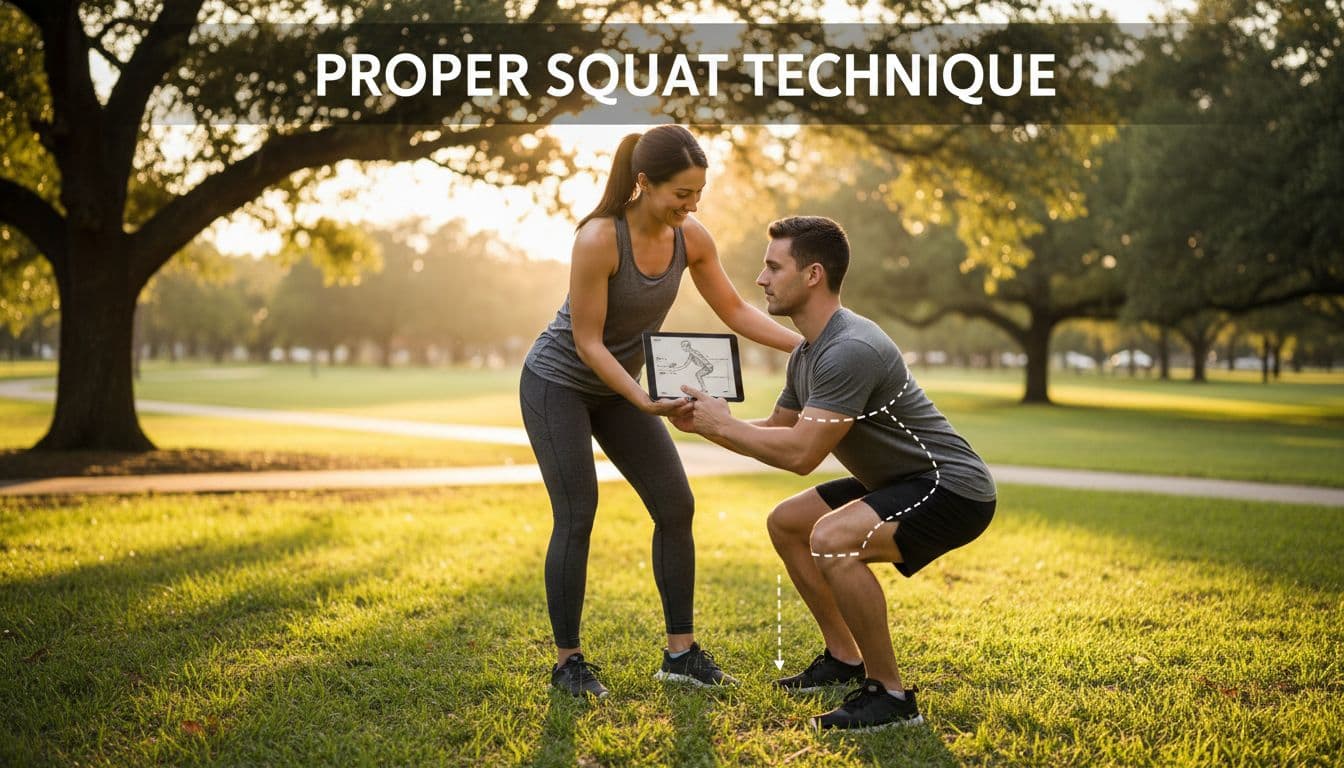
Mistake #1: Skipping Progressions
The pull-up bar doesn't care about your ego. Attempting muscle-ups when you can barely do 5 pull-ups isn't brave—it's a recipe for injury.
The fix: Master each progression before moving on. Can you do 12 strict pull-ups? Then you're ready for explosive chest-to-bar pulls. Can you hold a 30-second L-sit? Then you can attempt tuck planches.
Progressions exist because they work. The strongest athletes in the world used them. So should you.
Mistake #2: Neglecting Straight-Arm Strength
Bent-arm exercises (pull-ups, dips, push-ups) are essential—but they won't unlock advanced skills like the planche or front lever.
Straight-arm conditioning (support holds, planche leans, skin the cats) trains your connective tissue and builds the foundation for lever work.
Add 10-15 minutes of straight-arm work to every session. Your future self will thank you.
- 3–5 high-quality reps per set
- Full control in the transition
- Stable dip at the top
Mistake #3: Training Skills When Fatigued
Skills like handstands and muscle-ups require fresh neuromuscular coordination. Training them at the end of your workout is counterproductive.
The fix: Always do skill work FIRST, when your nervous system is sharp. Save strength and hypertrophy work for after.
Order of operations: Mobility → Skills → Strength → Conditioning → Stretching
Mistake #4: Ignoring Mobility
Tight shoulders will prevent a proper handstand. Tight hamstrings will sabotage your L-sit. Tight wrists will cause pain in every pressing movement.
Mobility isn't optional—it's foundational. Spend 10-15 minutes daily on joint preparation and end-range conditioning.
Key areas for calisthenics: Wrists, shoulders (overhead), thoracic spine, and hip flexors.
Mistake #5: Chasing Reps Over Quality
50 ugly pull-ups do less for your development than 15 perfect ones. Momentum, kipping, and partial range of motion teach your nervous system bad patterns.
Every rep is practice. Practice perfect movement, not just movement.
Film yourself weekly. You'll be shocked at how different reality looks from what you feel.
Mistake #6: Not Tracking Progress
If you're not measuring, you're guessing. And guessing doesn't build muscle or skills.
Track: Reps, sets, hold times, and how each session felt. This data reveals patterns—what's working, what's stalling, when you need rest.
Use a simple notebook or app. Review weekly. Adjust monthly.
Mistake #7: Overtraining (Yes, It's Real)
More is not always better. Training 7 days a week without adequate recovery leads to plateaus, injuries, and burnout.
Optimal frequency for most athletes: 4-5 training days with 2-3 rest/active recovery days.
Signs of overtraining: Persistent fatigue, declining performance, joint pain, poor sleep, irritability.
Mistake #8: Comparing to Social Media
That Instagram athlete doing a one-arm planche didn't learn it in 6 months. You're seeing their highlight reel, not their 5-year journey.
Compare yourself to yourself from last month. That's the only comparison that matters.
Progress in calisthenics is measured in years, not weeks. Embrace the long game.
FAQ
With consistent training (3-4x/week) and proper nutrition, you'll feel stronger in 2-3 weeks and see visible changes in 6-8 weeks. Patience is your greatest asset.
No. 3-4 days per week is optimal for beginners. Your body grows during rest, not during training. Start with Mon/Wed/Fri and add a fourth day after 4-6 weeks.
Consistency beats intensity. A moderate workout done 3x per week for a year will outperform intense workouts done sporadically. Show up regularly, train smart, and progress will come.
Related Posts
Front Lever Mastery: The Complete 12-Week Program
From dead hang to full front lever. A systematic approach combining specific strength work, progressive holds, and the science of straight-arm strength.
The Strict Muscle-Up: 5 Progressions to Mastery
A no-nonsense progression ladder that builds explosive pulling power, clean transitions, and absolute bar control. Stop kipping and start mastering the strict movement.
London’s Iron Jungles: The Best Calisthenics Parks
A curated guide to London's elite calisthenics spots. From the legendary bars in Hyde Park to hidden gems in Hackney, we review equipment and community vibes.
Ready to start training?
Find a park with the right equipment and start progressing today.
Find a Spot